Energy
The Subsidy Solution
Contrary to conventional economic wisdom, relying solely on carbon taxes will not create an optimal transition to clean energy.
Detroit’s experiences hint at a model where philanthropy and business routinely supplement and complement government.
Foundations aspiring to make a difference in challenged cities have much to offer beyond grantmaking—if they are willing to embrace new roles that may fall well outside their comfort zones.
Concentrating investments along key corridors in the Motor City can generate market activity, but more effort must be made to create self-sustaining momentum that propels communities toward broader prosperity.
A roundtable discussion on the role that leadership from across sectors played in revitalizing Detroit.
Why the social sector should not relate its work in any quantitative or qualitative way to the GDP.
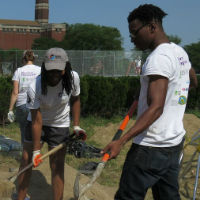
By transforming municipal volunteering programs into “impact volunteering” efforts, leaders and citizens can lay a foundation for civic renewal.
There is an urgent need to expand the infrastructure for results-based policymaking at all levels of the US government.
How social services agencies are squeezing revenue from the poor and vulnerable people they’re meant to serve.
How can the public sector create a culture that's friendly to human-centered design?